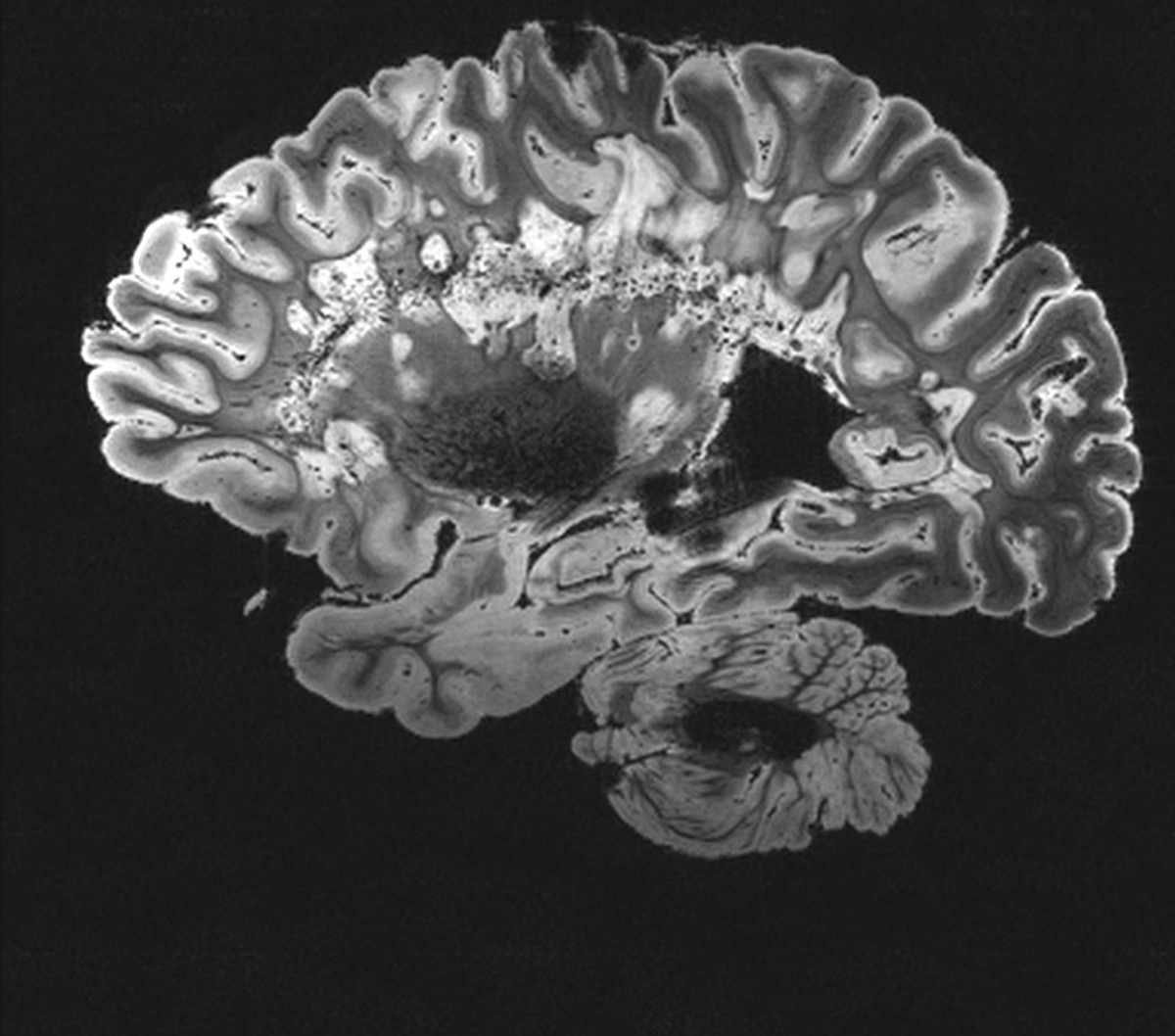
Deep brain stimulation for depression has promise and a poor trial record, and one suspected reason is that it runs continuously whether symptoms are present or not. Firing only when they rise would need a neural signal that marks the rise, and that signal differs between people. So one team went looking for it inside a single patient before implanting anything. What did the closed loop do?
Depression improved rapidly and the improvement held. The team first used multi-day and focal electrical stimulation to find a personalized, and a separate location where stimulation relieved symptoms. They then implanted a chronic sensing and stimulation device and ran therapy triggered by that biomarker. therapy produced a rapid and sustained improvement in this individual’s depression.
Deep brain stimulation is a promising treatment for neuropsychiatric conditions including major depression, and its trial history has been uneven. One plausible reason is that stimulation has been delivered continuously, without regard to whether symptoms are currently elevated, which both wastes the intervention and risks unnecessary effects.
Optimizing it would mean identifying a neural biomarker that triggers therapy selectively when symptom severity rises. The obstacle is that such a signal is not the same across people. This team therefore built the approach around one brain. Multi-day intracranial electrophysiology and focal electrical stimulation were used first, to identify a personalized symptom-specific biomarker and a treatment location where stimulation improved symptoms.
Only then did the implant go in. A chronic deep brain sensing and stimulation device was placed, and biomarker-driven closed-loop therapy was implemented, so that stimulation arrived when the signal indicated the symptoms were worsening rather than on a schedule.
Closed-loop therapy resulted in a rapid and sustained improvement in depression. That sentence carries exactly one patient, and the authors say so: future work is required to determine whether the results and the approach of this study generalize to a broader population. What is genuinely transferable is the method, mapping the signal and the site before committing to the hardware.
wat. One brain, one implant that fired only when a personal depression signal appeared, and one rapid, lasting improvement.
wat wat
The sequencing is the contribution. Finding the biomarker and the treatment site in that specific brain before committing to an implant is a template, whether or not this particular patient’s result repeats.
How do we know?
Scangos and colleagues mapped a personalized biomarker and a responsive stimulation site using multi-day intracranial recording and focal stimulation, then implanted a chronic sensing and stimulation device and delivered biomarker-driven closed-loop therapy.
What is still unknown
One patient. The authors call it an n-of-1 study and say outright that future work is needed to find out whether the result or the approach generalizes to a broader population.
Learn something?
Where to next
 Can a vaccine built from your own tumor stop a melanoma coming back?personalized medicine
 Does going to the theatre lower your risk of depression?depression