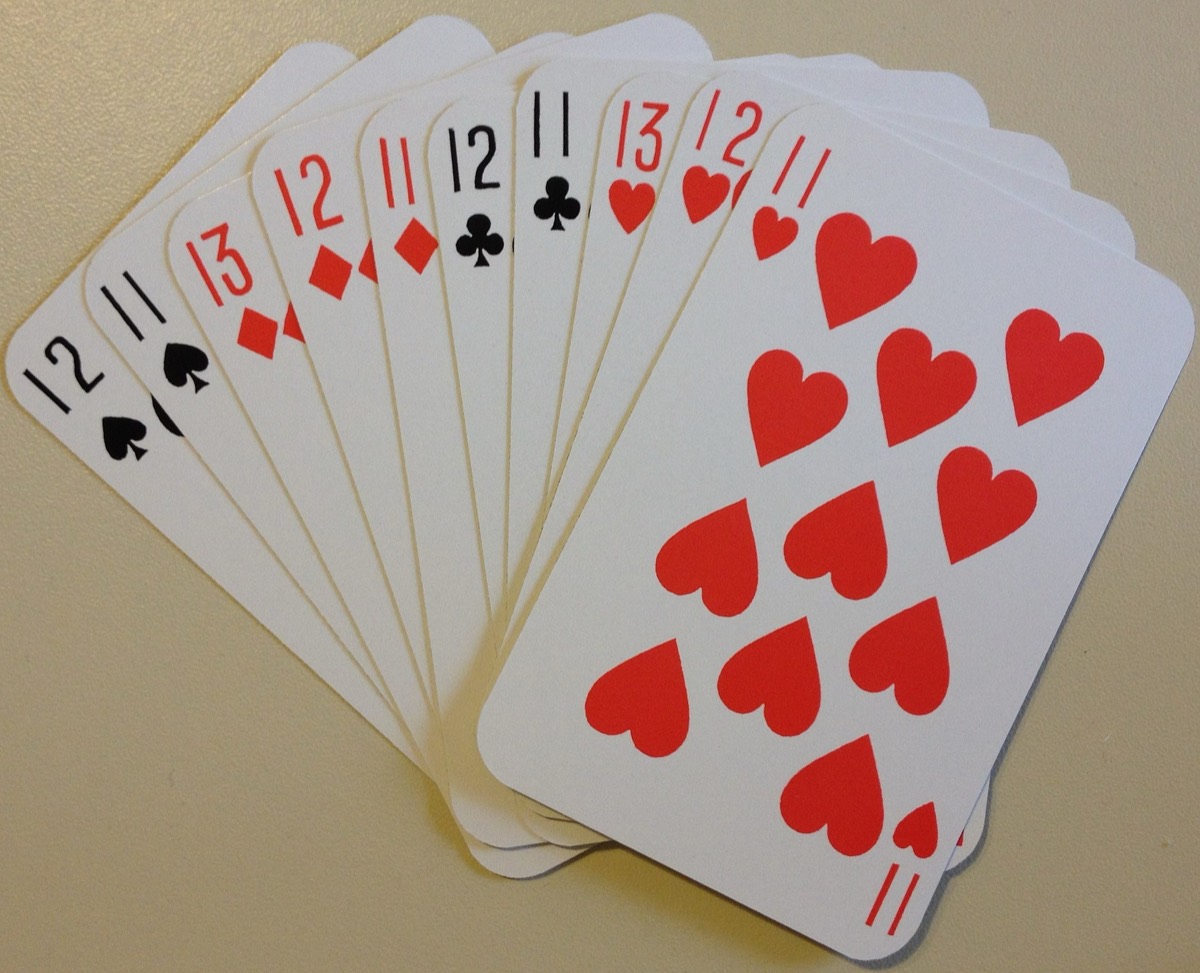
Theories of decision-making assume we detect mismatches between what we intended and what happened, correct the error and adapt. That assumption is rarely tested against a case where the mismatch is handed to you. Participants picked the more attractive of two faces, and sometimes got the other one.
Most did not notice. Participants failed to spot conspicuous mismatches between their intended choice and the outcome they were presented with. They then offered introspectively derived reasons for why they had chosen the way they did, for a choice that was not theirs. The authors call the effect .
A fundamental assumption of theories of decision-making is : that we notice when outcome and intention differ, adjust our behavior in the face of error, and adapt to changing circumstances. The paper asks whether this is always the case.
The task is deliberately simple. Participants made choices between presented face pairs on the basis of attractiveness, while changed the relationship between the choice and the outcome the participant then experienced.
Participants failed to notice conspicuous mismatches between their intended choice and the outcome presented to them. The mismatch was not subtle, and it was in front of them.
Then they explained it. supplied reasons for why they chose the way they did, for a choice they had not made, and the authors name the effect choice blindness. A simple laboratory task with no stakes is the limit of what this shows.
wat. Handed the face they had rejected, people explained why they had chosen it.
wat wat
If the reasons people give can attach themselves to a decision they never made, then an explanation is not evidence of the decision behind it.
How do we know?
Johansson and colleagues had participants choose between presented face pairs on attractiveness while covertly manipulating the relationship between choice and outcome, then asked them to explain their choice.
What is still unknown
This is a simple laboratory task with photographs and no consequences, which is a long way from a decision that costs something.
Learn something?
Where to next
 Can an animal know it made the wrong choice a moment ago?decision-making
 Which investments do people find hardest to sell?decision-making