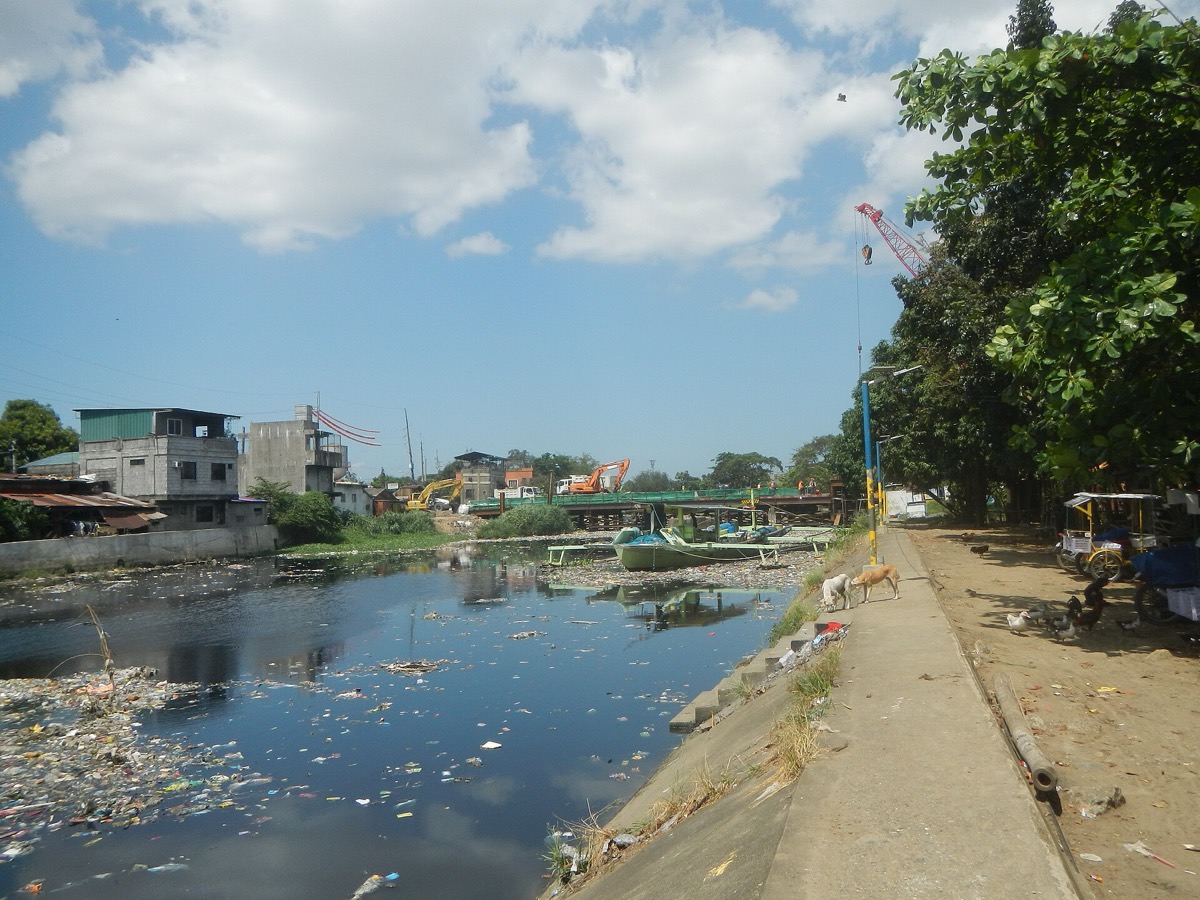
Plastic littering and the persistence of plastics in the environment have become a major focus in research and in the news, and biodegradable polymers like poly() are presented as the alternative. The word biodegradable sounds like a property of the material. It is a property of the material in a place.
Poly(lactic acid) is basically non-degradable in seawater. The of other biodegradable polymers also depends crucially on where they end up, whether soil, marine water or a biomedical device. The authors show that biodegradation tests in artificial environments lack to real conditions, and call for field testing in environments that are actually relevant.
In recent years the littering of plastics and their persistence in the environment have become a major focus in research and in the news. Biodegradable polymers like poly(lactic acid) are seen as a suitable alternative to commodity plastics.
The first correction is blunt. Poly(lactic acid) is basically non-degradable in seawater, so the material that answers the plastic problem on paper does not answer it in the place most people picture.
That is not peculiar to one polymer. The degradation rate of other biodegradable polymers also depends crucially on the environments they end up in, such as soil or marine water, or when used in biomedical devices.
So the review turns on the testing. The authors show that biodegradation tests carried out in artificial environments lack transferability to real conditions, highlight the necessity of environmentally authentic field-testing, and take up the questions alongside.
wat. Poly(lactic acid) is biodegradable on land and basically non-degradable in seawater.
wat wat
A label that holds in a composting facility and fails in the ocean will send material exactly where it does not degrade.
How do we know?
Haider and colleagues reviewed what is known about the degradation of biodegradable polymers across environments, the testing regimes used, and the ecotoxicological questions that follow.
What is still unknown
This is a minireview arguing for better test conditions rather than new measurements of degradation.
Learn something?
Where to next
 Why does a QR code still work when part of it has been erased?standards
 How do you defend data against a computer nobody has built yet?standards