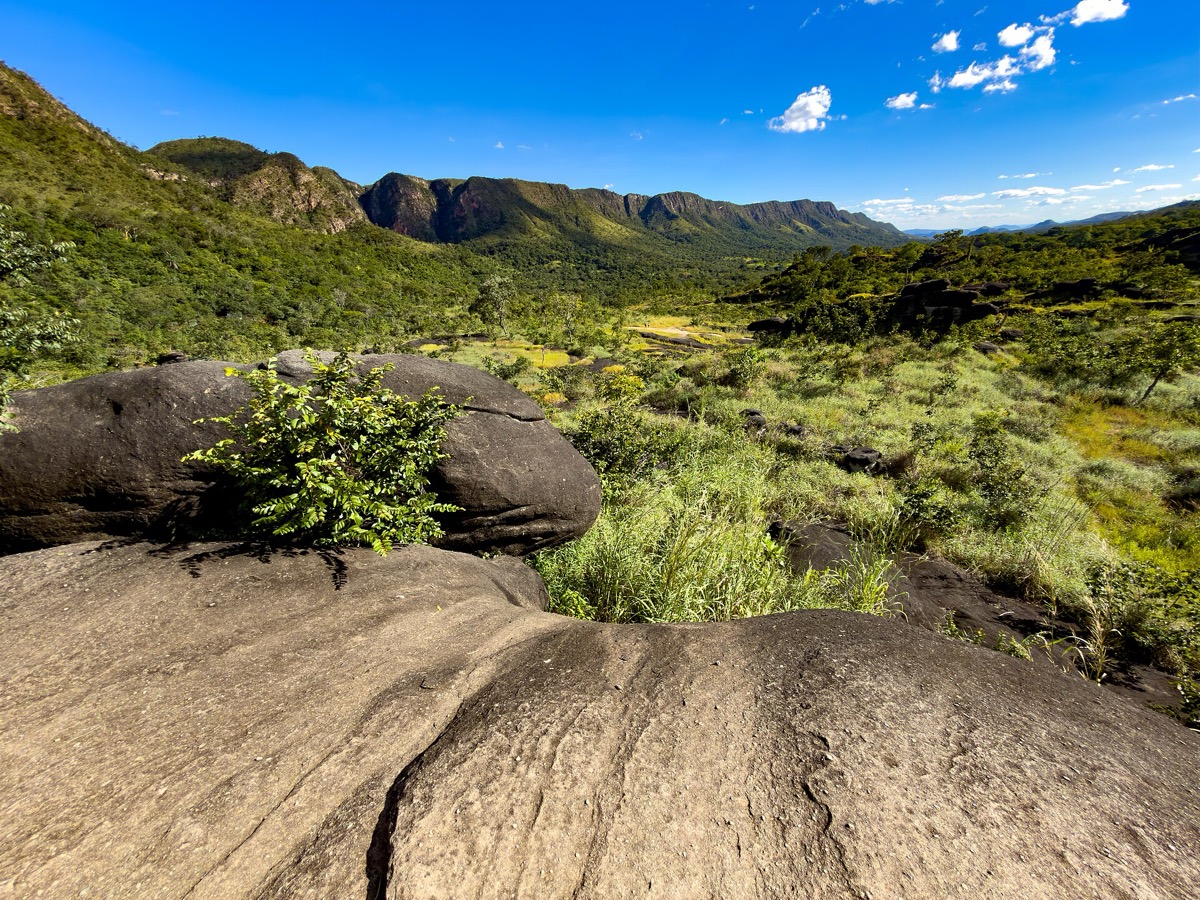
Gardens, parks and waterfronts dominate the work on nature and wellbeing, because they stir little and so leave the restorative effect clean to measure. That leaves out the kind of nature that stops you where you stand. Joye and Bolderdijk showed people slideshows of spectacular scenery instead. What moved, and what did not?
Mood and social orientation moved; giving did not. Compared with and a neutral set of images, the awesome scenes produced distinct emotional effects, feeling small and humble among them. They also triggered the most mood improvement, and shifted in a more direction. Willingness to donate, measured right after, did not differ between any of the three conditions.
Environmental psychology has built a solid case that ordinary nature helps. Watching or spending time in natural settings lifts mood, replenishes depleted attention and reduces stress, which is why contact with nature gets proposed as a therapeutic intervention. Almost all of that work used mundane settings, partly on purpose: low arousal is thought to leave room for restoration.
Joye and Bolderdijk went after the other kind. Two hundred and fifteen respondents on Amazon Mechanical Turk each saw one of three slideshows of fourteen photographs, showing awesome nature, mundane nature or neutral objects. They then reported emotions and mood, and completed measures of social value orientation and willingness to donate.
The emotional results were clean. Awesome nature produced unique effects, including feeling small and humble, and made respondents feel smaller than either other condition. Of the two nature sets, the extraordinary one was rated most surprising, most interesting, emotionally most intense and most beautiful. On feelings of care and connectedness to others, though, the two nature conditions did not differ.
Then the split. Mood improved most in the some condition, and social value orientation came out somewhat more prosocial there than in the mundane and neutral conditions. Willingness to donate did not differ anywhere. That runs against earlier work linking this orientation to higher donations, and the orientation score did not even correlate with the donation index here. The authors suspect their donation scale was the problem, and they could not confirm awe as the mediator.
wat. Standing in front of something vast made people feel smaller and better disposed to others. It did not make them hand anything over.
wat wat
Social value orientation was supposed to be a stable disposition. Here a slideshow nudged it, which matters more than the headline about generosity would suggest.
How do we know?
An internet experiment on two hundred and fifteen respondents recruited through Amazon Mechanical Turk, each shown one of three slideshows of fourteen photographs, then measured on emotions, mood, social value orientation and willingness to donate.
What is still unknown
The authors call it exploratory, and the donation result went against their expectation. They suspect the unconventional donation scale confused participants, and the overall orientation score did not correlate with the donation index at all.
Learn something?
Where to next
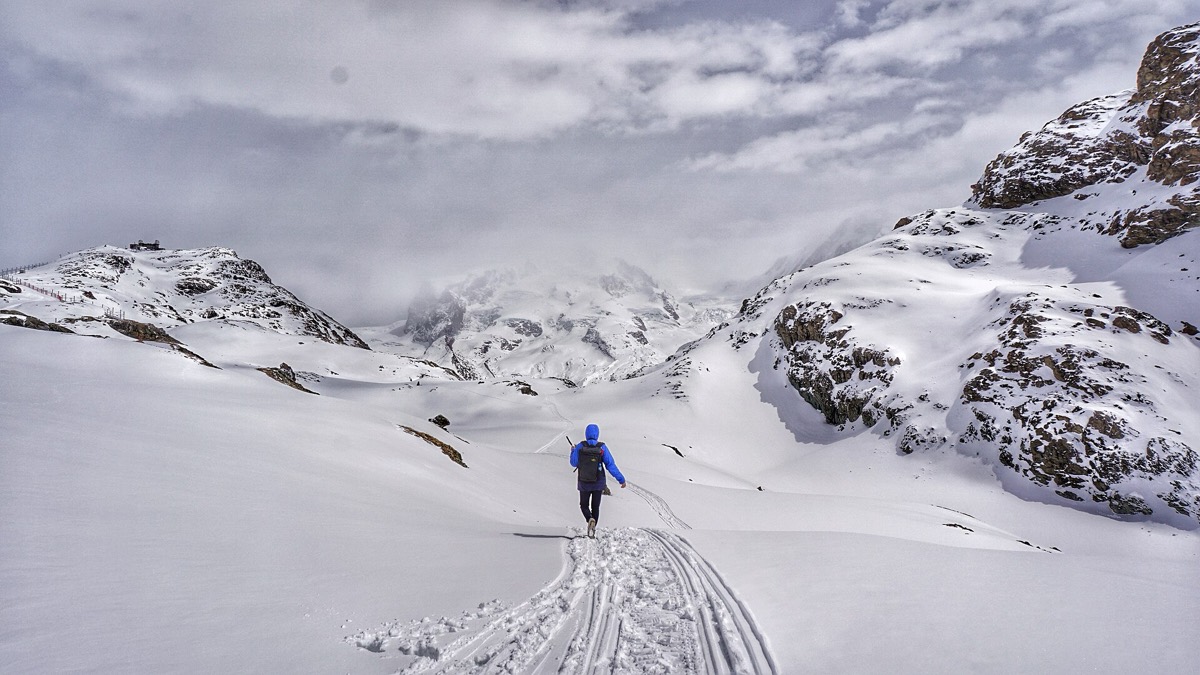 What has to happen in your head for something to count as awe?awe
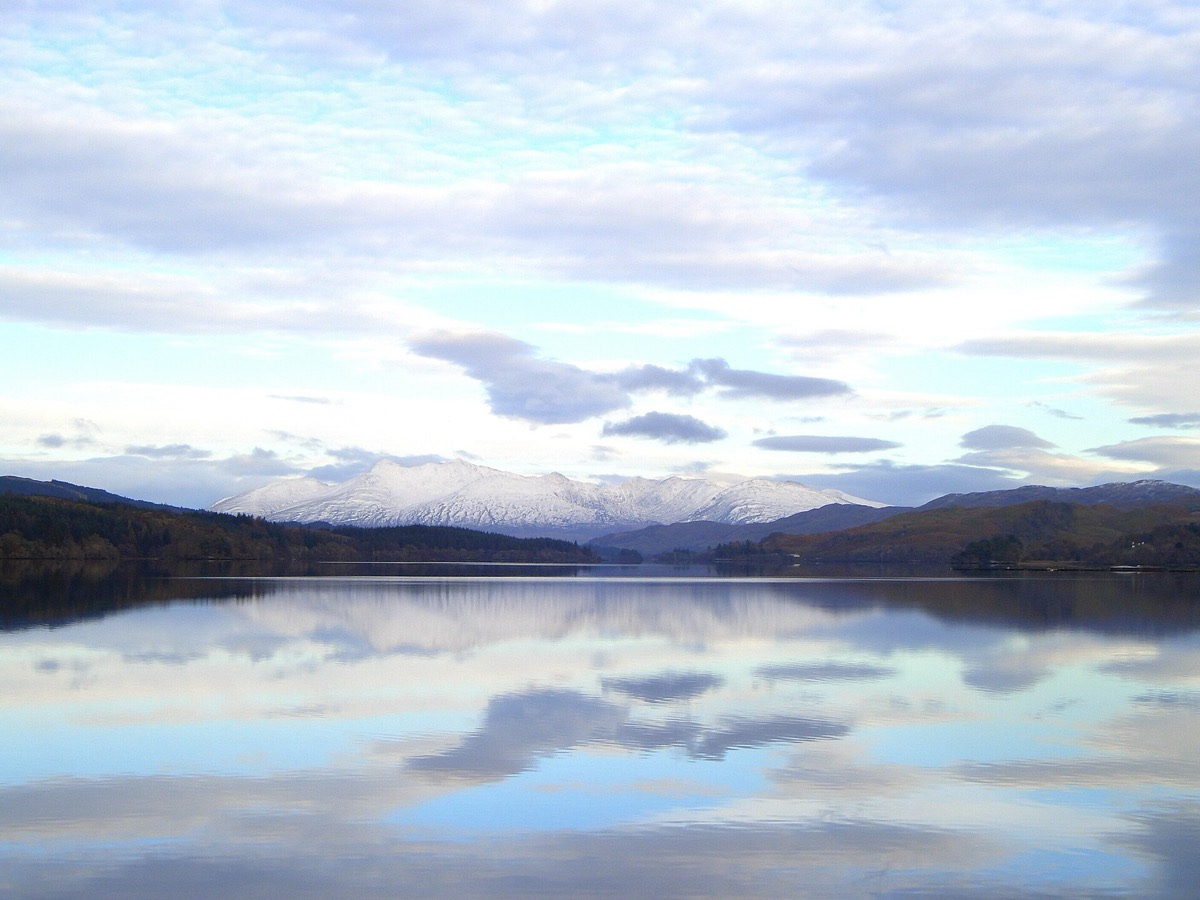 Why do we feel small in front of an enormous view?awe
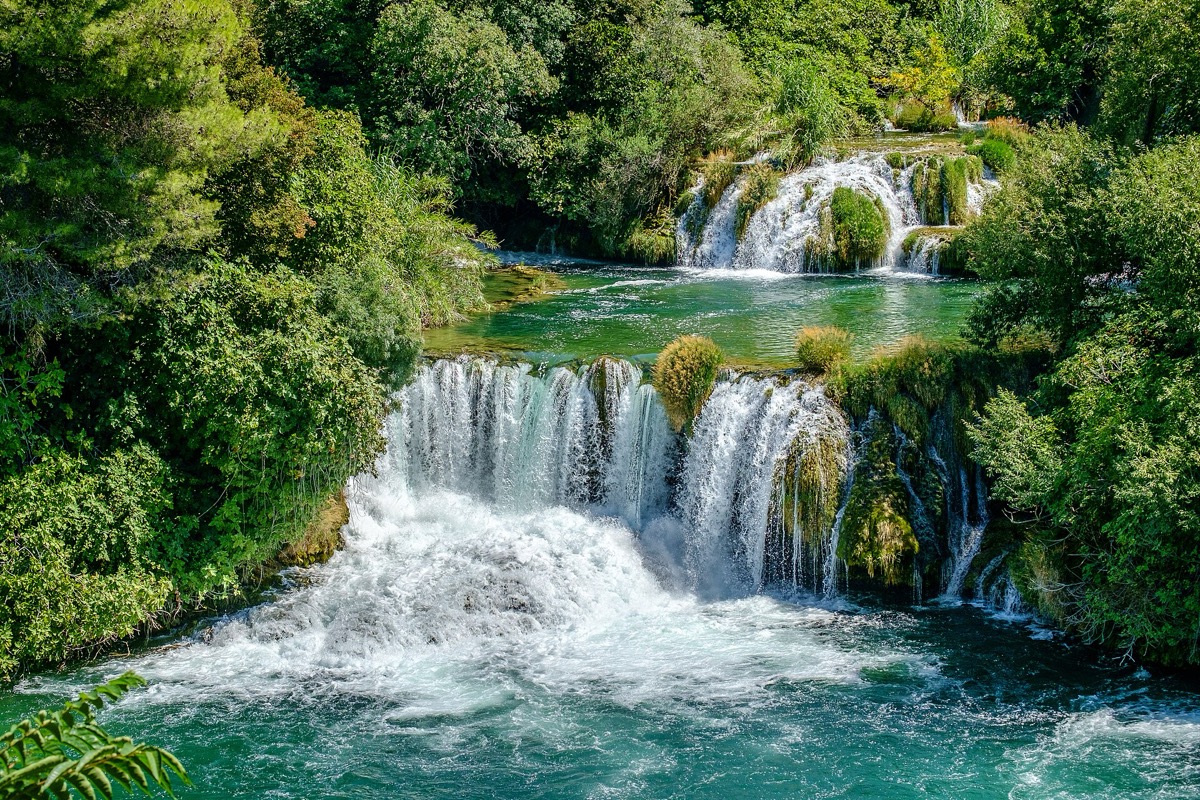 Does an enormous waterfall make you more generous?awe